
Trading Psychology
Develop the mindset for consistent trading success. Learn to manage emotions, build discipline, and overcome psychological barriers in your trading journey.
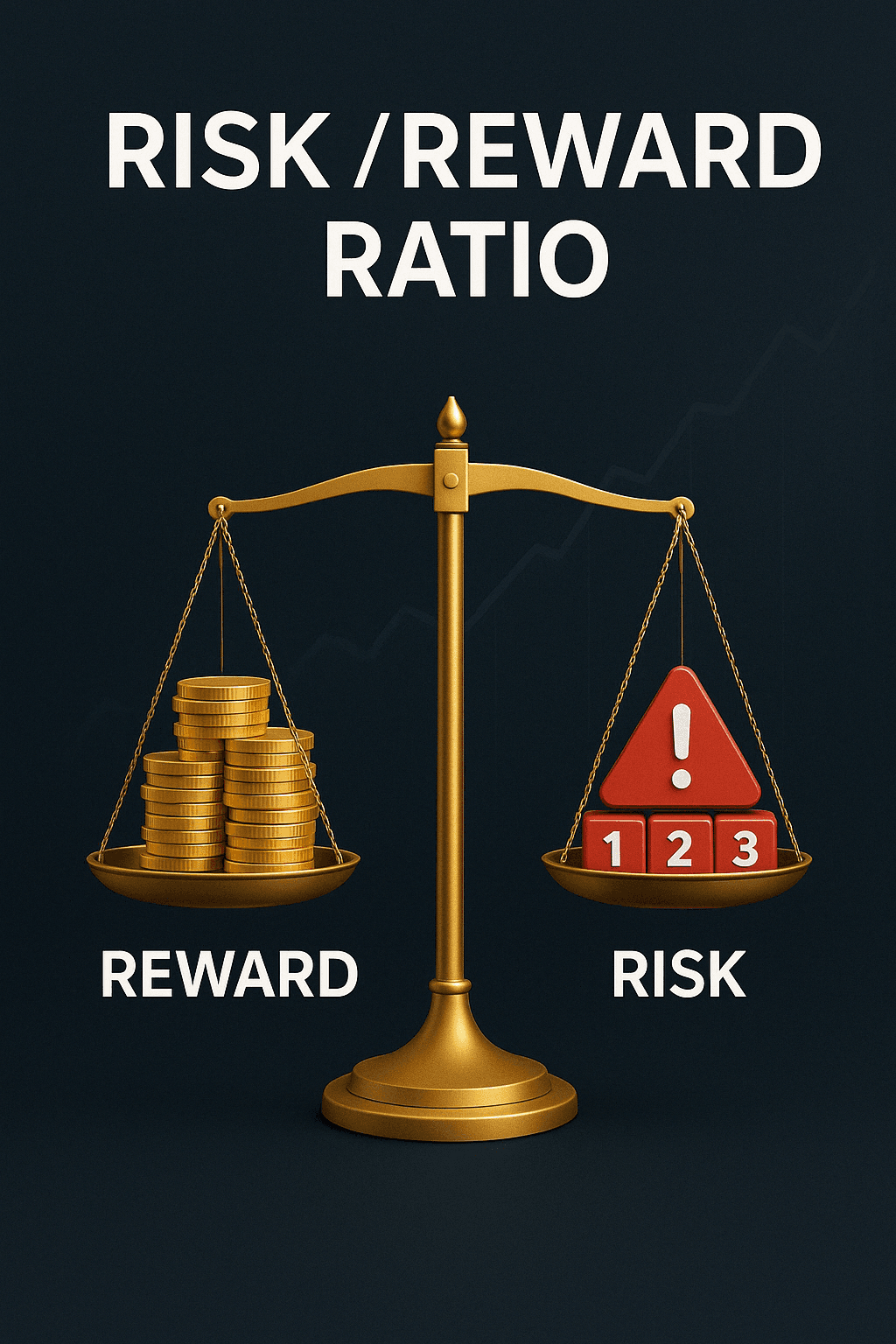
Mastering the Risk/Reward Ratio
Learn how a proper risk/reward approach can improve your trading psychology and overall profitability even with a moderate win rate.
Read article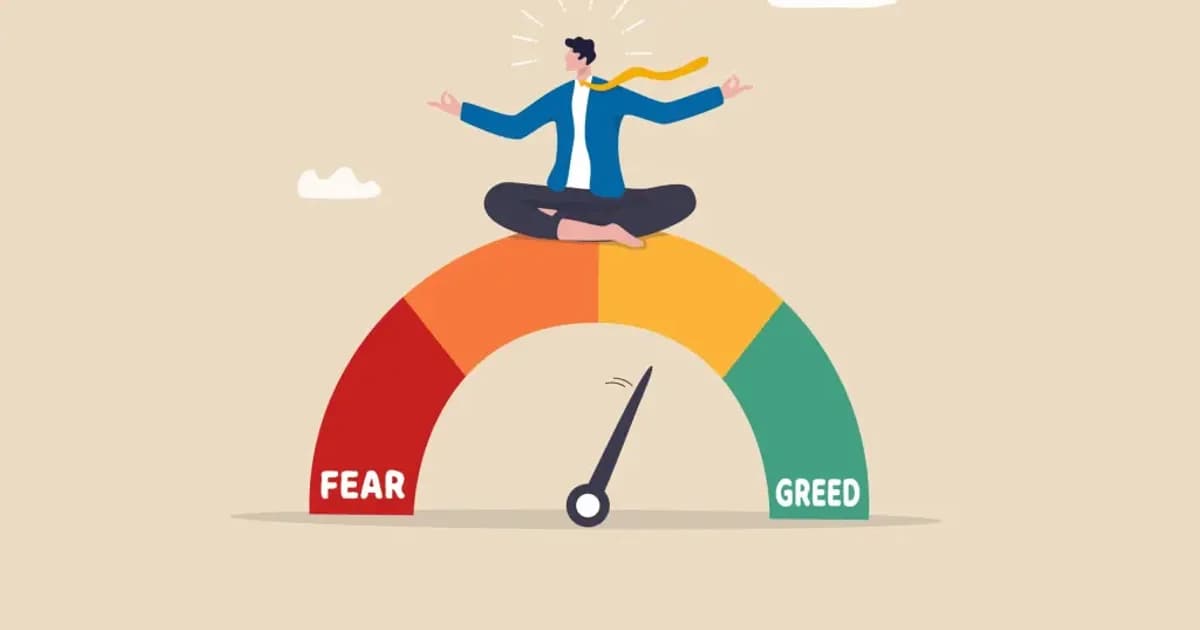
Overcoming Fear & Greed in Trading
Discover actionable techniques to control fear, tame greed, and maintain discipline for consistent trading performance.
Read articleTopics Overview
Risk/Reward Ratio
Master the psychological aspects of maintaining favorable risk/reward ratios and position sizing in your trading.
Emotional Management
Learn to recognize and control emotional responses like fear, greed, and revenge trading that impact decision-making.
Trading Discipline
Develop the discipline to follow your trading plan and rules consistently regardless of market conditions.
Cognitive Biases
Understand and overcome common psychological biases that affect trading decisions and performance.
Mindfulness Techniques
Apply mindfulness and meditation practices to stay focused and calm during market volatility.
Performance Psychology
Implement the mental performance techniques used by elite traders and professional athletes.
Why Trading Psychology Matters
Trading psychology is often the determining factor between consistent profitability and persistent losses. Even the most sophisticated trading strategies will fail if a trader cannot execute them properly due to psychological barriers.
Many traders discover that after learning technical analysis and developing a solid strategy, their biggest challenges are internal - managing fear, controlling greed, maintaining discipline, and staying emotionally balanced.
Key Psychological Challenges Traders Face:
- Fear of Loss - Leading to missed opportunities or premature exits
- Greed - Causing overtrading or failure to take profits
- Revenge Trading - Attempting to recover losses with impulsive trades
- Analysis Paralysis - Overthinking decisions and missing trade opportunities
- Overconfidence - Taking excessive risks after a winning streak
- Confirmation Bias: Seeking out information that confirms pre-existing beliefs about a trade or market direction while ignoring contradictory evidence.
- Anchoring Bias: Becoming fixated on a specific price level (e.g., entry price) and making decisions based on that anchor rather than current market conditions.
- Herd Mentality: Following the actions of the crowd rather than relying on one's own analysis and strategy, often leading to buying tops and selling bottoms.
Developing a strong psychological foundation is just as important as mastering technical analysis or fundamental research. The most successful traders invest significant time in understanding and improving their mental approach to the markets.
Strategies for Mastering Trading Psychology
Developing mental resilience and discipline is an ongoing process. Here are key strategies:
- Keep a Trading Journal - Record every trade along with your reasoning and emotional state, then review it to spot recurring mistakes and strengths
- Define Risk Before Entering - Decide your maximum acceptable loss per trade and per day in advance, so decisions are never made under pressure mid-trade
- Follow Rule-Based Entries and Exits - Predefined setups, stop-losses, and profit targets leave less room for impulsive, emotion-driven decisions
- Take Breaks After Losses - Step away from the charts after a losing streak to reset emotionally and avoid revenge trading
- Size Positions Consistently - Risk only a small, fixed portion of your capital per trade so no single loss can derail your account or your composure
- Review Performance Regularly - Schedule weekly or monthly reviews of your results to reinforce discipline and refine your trading plan
Related Trading Topics
Technical Analysis
Master chart patterns, indicators, and technical tools to identify high-probability trading opportunities in any market condition.
Explore Technical AnalysisPrice Action
Learn to trade using pure price movements without relying on complex indicators. Master the art of reading the market directly from the charts.
Explore Price ActionImprove Your Trading Psychology
Our indicators are designed to help you make objective trading decisions, reduce emotional stress, and maintain discipline with clear entry and exit signals.
Explore Our Indicators